Other Animal Information
Keeping of Animals within the Townsite
Along with Dogs and Cats, a range of other animals can be kept within the Shire of Cuballing. The Shire of Cuballings Health Local Laws can be found here. Again, it is the responsibility of the animal owner to ensure their animals safety and wellbeing, along with ensuring local laws and legislation are adhered to. Below are some highlights from the Cuballing Health Local laws which are commonly asked questions.
Keeping of Animals and Birds
Animal refers to cats, dogs. Rabbits and ferrets or the like
Bird refers to galahs, parrots, budgerigars, finches, pigeons and doves or the like.
The owner or occupier of premises in which an animal or bird is kept has to ensure:
- The premises is free from excrement, filth, food waste, etc
- When direct by an Environmental Health Officer, clean and disinfect the premises
- Keep the property (as best a they can) free from excess amounts of flies and other vermin
- Ensure the animal or bird does not cause a nuisance or pose a health/safety risk to other residents/animals
In some instances, an animal or bird owner may need an appropriate enclosure to house their pets. There are requirements for enclosures, and it is up to the owner to ensure the enclosure is kept clean and placed in an appropriate location on the property.
Keeping of Large Animals
Cow includes ox, calf, or bull
Horse includes an ass, mule, donkey or pony
Large animal includes pig, sheep, goat, deer or camel, cow, horse, lama, emu, ostrich or the like
Property owners within the townsite (Popanyinning and Cuballing) are not allowed to keep a horse, cow, more than 3 sheep or more than 3 goats or any other large animal without approval from the Cuballing Shire council. Approval cannot be obtained if the premises has an area less than 0.2 hectares of alienated land and, the animal does not approach within 30 metres of a dwelling or place where food is stored, manufactured, processed, served or exposed for sale. To seek approval from council, a request must be made in writing (either via email or written letter).
Keeping of Poultry and Pigeons
There is a limitation to the number of poultry and pigeons one can have on their property within the townsite, which is 12. There are also conditions for keeping poultry and pigeons which include:
- No poultry is able to approach within 9 metres of a dwelling, public building premises where people are employed or where food is stored, prepared, manufactured or sold
- all poultry is kept in a properly constructed and securely fastened structure or enclosure
- the structure is in a yard having an otherwise unobstructed area of at least 30 square metres
- no poultry are able to approach within 9 metres of a street other than a right of way unless, in the case of land at the junction of two or more streets, Local Government has approved a lesser distance
- all enclosures or cages within which poultry are kept shall be maintained at all times in a clean condition and shall be disinfected or otherwise dealt with in a way as directed by an Environmental Health Officer
Possums
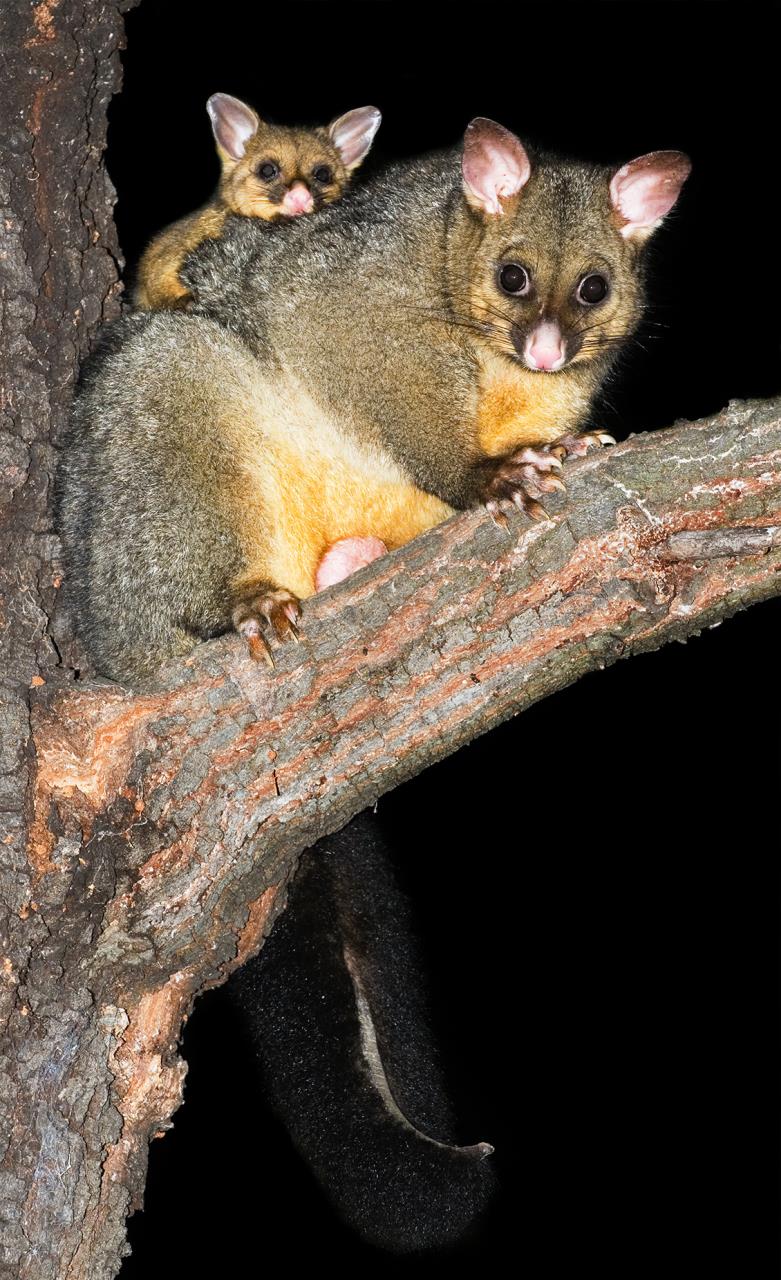
In Australia, it is illegal to harm, harass or relocate possums without appropriate approvals. These animals are a native species, so they are protected under the Biodiversity Conservation Act 2016. Living in rural areas increases your chances of attracting one of these furry critters to call your roof or property home.
If a possum has taken up residence in your roof, there are some measures you can take such as:
- Provide an Alternative Shelter – You can try to provide alternative shelter by putting up a nest box, ideally in surrounding trees near your property. It’s recommended that you construct an alternative shelter prior to blocking off any entry points
- Identify where the possums are entering your roof – Possums are extremely stealthy and will get into holes that appear smaller than themselves
- Wait until the possum has left at night and then seal any entry points – Possums are extremely territorial, so they will try there hardest to re-enter your property. This may take a few go’s, so be consistent in blocking off known entry points
- Consider pruning tree limbs or trees that are in contact with your house
|
|
|
For additional information you can go to Possums in Your Roof - GeoCatch or you can click here for a Possum fact sheet from the Department of Biodiversity, Conservations and attractions website.
Alternatively, you can contact the Department of Biodiversity, Conservations and attractions by calling the Wildcare helpline on 08 9474 9055.
|
 |
Snakes
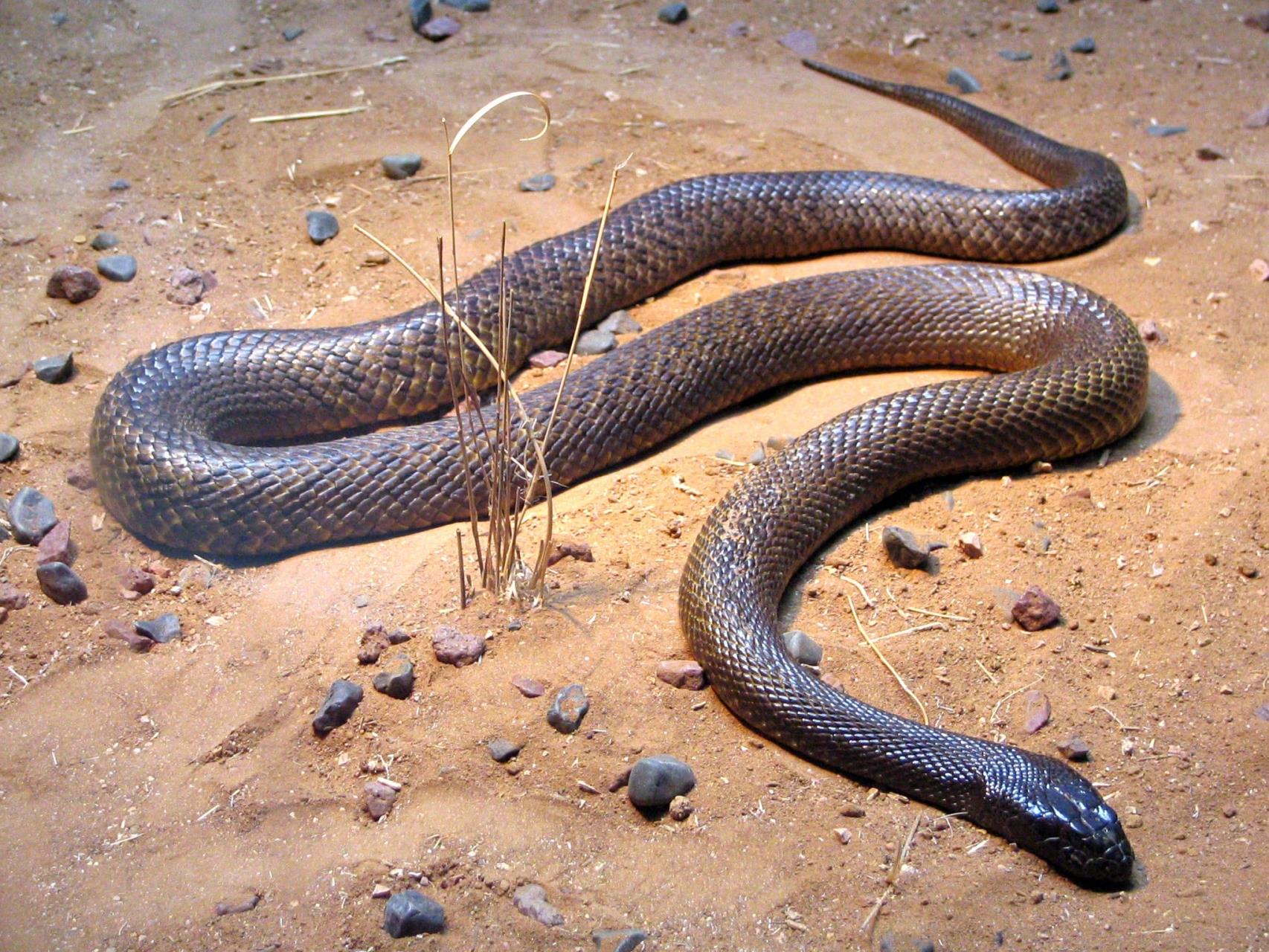
Snakes are found all over Australia and are protected under both State and Commonwealth Legislation. There are ways to assist in keeping your home snake free which can include:
- Managing your Garden, clear debris and try to eliminate as much clutter as possible from your property.
- Cut off food sources – Control rodents in and around your home and try to reduce any water leaks (leaking pipes, clogged drains, etc). Try to minimise areas where snakes will be able to drink.
- Seal any entry points into your home – Ensure any vent covers, door sweeps and screens are sealed correctly. Ensure any holes that may appear in the structure of your home have been sealed over to eliminate the risk of any critters getting into your home.
|
|
To ensure public safety, its important to know who to contact should you find a snake on your property. The Shire does not capture, handle, relocate or removes snakes (this includes the Shire Rangers). Licenced Snake handlers include:
DBCA staff are trained and hold snake handling equipment
Phone Number: 9881 9200 (office hours)
- Mark Nicholas – Cuballing
Licensed Snake Handler
Phone Number 0429 836 459
Additionally, you can check out the Snake Fact sheet from the Department of Biodiversity, Conservations and attractions by clicking here
|
Pests and Feral Animals
Ants
Tips to prevent ant issues include:
- Keeping surfaces clean and tidy within your house
- Eradicating sap sucking insects from garden plants
- Ensure to seal any entry points around windows, doors and walls
- Find and treat the ant nest
Bees
Its important that if you discover a bee hive on your property, you should not disturb. Instead, you should contact a professional to safely and correctly remove the hive.
Toorak Pest Control – 0485 868 633
Bee and Hive Extractions – 0427 193 291
Cats (Feral)
Feral cats are a significant threat to native fauna within excess of 2.2 million birds, reptiles and mammals predated by feral cats across Australia. They are listed as a Key Threatening Process under section 188 of the Commonwealth Environment Protection and Biodiversity Conservation Act 1999 and are now a Declared pest in Western Australia under the Biosecurity and Agriculture Management Act 2007.
Recognised control methods for feral cats include:
- Exclusion fencing
- Baiting
- Trapping
- Shooting.
Control of feral cats must be humane and undertaken in accordance with the Animal Welfare Act 2002.
Please note: Personal traps must not be used when trapping cats on one’s property due to the risk of regulation breaches occurring.
Free traps are available to loan from the Shire. Traps must be signed out at the front counter. Please contact the Shire on 9883 6031 for further information.
Flies
Effective fly control around your property can includes things such as eliminating breeding grounds, deploying outdoor traps and using physical barriers.
Foxes
It is the landowner's responsibility to control foxes found on their property.
Fox control is most effective in late winter and early spring when foxes are breeding and food is in high demand. Options include:
- Baiting
- Exclusion fencing
- Fumigation
- Den destruction
- Trapping
- Shooting.
You can also loan traps from the Shire Office. Please contact the Office on 9883 6031 to see if there any available traps.
Mosquitoes
Mosquitoes can be found everywhere in Australia and unfortunately, can carry many types of diseases. This is why its important to try and reduce or prevent breeding sites around the home. This can be done by:
- Ensure gutters aren’t blocked – avoid creating areas where pools of water may accumulate as this is where mosquitoes breed
- Use insect repellents (especially in summer)
- Wear loose fitting clothing: Long sleeves and long pants if you are outside around dawn or dusk
Rabbits (Feral)
Rabbits are Australia’s most destructive introduced pest. Landowners are required to control rabbit population on their properties.
There are several options to control rabbits including:
- Baiting
- Fumigation
- Warren destruction
- Exclusion fencing
- Trapping
- Shooting.
Rabbit control on private property works best when there is a collaborative effort with neighbouring properties.
Rodents
The management of rodents is the responsibility of the Property Owner.
Some ways to reduce the rodent population on your property is:
- Maintain high levels of hygiene
- Removing clutter, excess foliage in the garden, plumbing leaks, food scrapes, nesting sites and shelters
- Setting mice/rat traps
- Using Mice/Rat Bait - If bait is necessary, try using ones with a lower risk to other forms of wildlife such as:
- Ratsak Naturals
- FGARS (First Generation)
Termites
Termites, often referred to as ‘white ants’, serve an important function in nature by feeding off dead trees and converting them into organic matter.
Ways to prevent damage caused by termites
- Fixing leaking pipes
- Using naturally resistant timber or chemically treated timber
- Ensuring proper subfloor ventilation
- Keeping firewood away from foundations
- Scheduling annual professional inspections to detect activity early