Fire Danger Ratings, Alerts and Warnings
Fire Danger Ratings
Fire danger ratings are used to show how serious a bushfire could become if one starts. Australia’s Fire Danger Rating System has been updated to make it simpler for communities to understand the level of risk and decide what actions they should take to remain safe.
The system uses four clear rating categories, each linked to advice about how to respond during bushfire conditions.
The fire danger levels are:
- Moderate – Plan and prepare
Stay informed and think ahead about what you would do if conditions change.
- High – Prepare to act
Be ready to take action to protect yourself, your family, and your property if a fire occurs.
- Extreme – Take immediate action to protect your life and property
Bushfires are likely to be dangerous, fast-moving, and difficult to control.
- Catastrophic – Leave bushfire risk areas for your survival
These are the most severe fire conditions, and leaving early is the safest option.
The white section beneath the Moderate level represents No Rating. This means that while fires may still start, they are not expected to spread rapidly or threaten the wider community. Under these conditions, no special action is generally needed apart from normal awareness and caution.
Below is the current Fire Danger rating for today in the Shire of Cuballing.
Alerts
The Australian Warning System (AWS) is a standardised emergency warning system used throughout Australia to help keep communities informed during dangerous events. It is used for emergencies such as bushfires, floods, cyclones, severe storms, and heatwaves across every state and territory.
You can visit the Emergency WA website to see if there are any emergencies/incidents in your area, please go to Emergency WA Warnings & Incidents
Its purpose is to deliver clear and consistent warning messages so people can quickly understand the level of danger and know what steps to take to remain safe, regardless of the emergency or their location.
| Alert of Warning |
Reason for Issue |
Community Action Required |
|
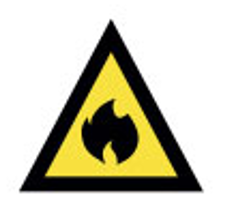
Advice
|
An incident is active but there is no immediate threat to lives or homes. Be aware and keep up to date |
- Prepare now
- Stay informed
- Monitor conditions
- Avoid the area
- Return with caution
- Avoid smoke
- Threat is reduced
|
|
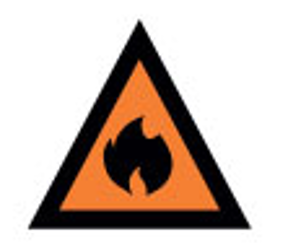
Watch and Act
|
There is a possible threat to lives or homes. Take action now to protect yourself and others. |
- Prepare to leave/evacuate
- Leave/evacuate now (if you are not prepared)
- Prepare to take shelter
- Move/stay indoors
- Stay near shelter
- Monitor conditions as they are changing
- Be aware of ember attack
- Prepare for isolation
- Protect yourself against the impacts of extreme heat
|
|
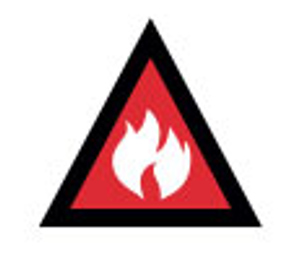
Emergency Warning
|
There is a threat to lives and homes. You may be in danger and need to take immediate action. |
- Leave/evacuate (immediately, by am/pm/hazard timing)
- Take shelter now
- Shelter indoors now
- Too late to leave
|
Emergency Telephone Alert Warning
Emergency alert is a telephone system used by DFES and other hazard management agencies in order to send emergency information to communities via landline and mobile telephones.
DO NOT BLOCK +61 444 444 444
This number is related to Emergency Alert Service. If the caller ID number or message header on your phone displays the number +61 444 444 444, it is genuine.